Evolving organisational structures | BDO Trend Report

How trust and flexibility are reshaping the way we work

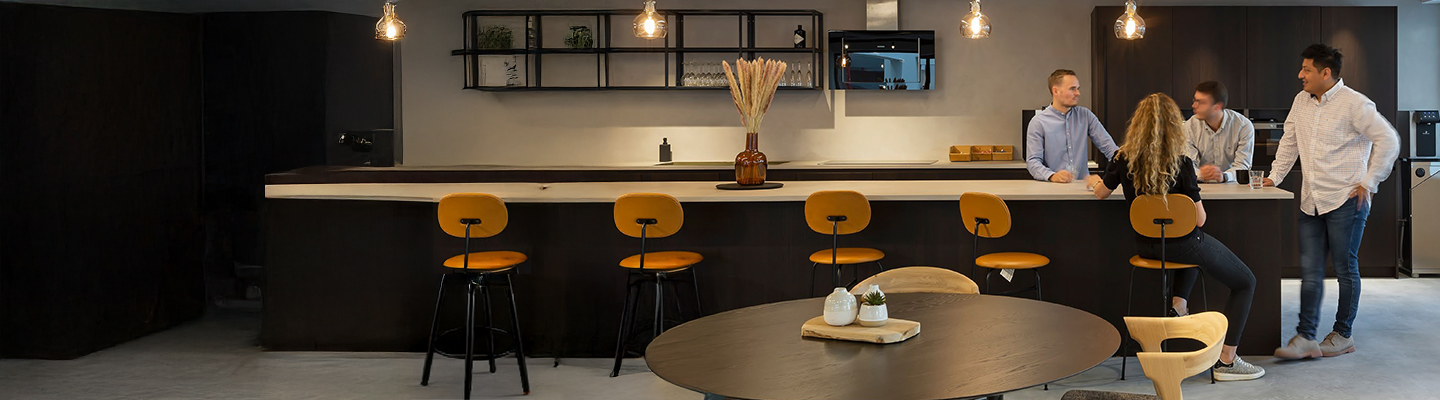
Colleagues talking around a table
The way organisations are structured is fundamentally changing. Where Generation X still appreciates clear hierarchies and formal job descriptions, Millennials and Generation Z have a very different outlook. They expect mentoring, coaching and partnership. For the youngest employees, approaching the CEO or their manager directly feels entirely natural. The formal distance that defined previous decades is fading fast. 

This shift is not cosmetic. According to a Stanford study, resignations fell by 33% when employees shifted from full-time office work to a hybrid schedule, with no negative impact on productivity or career progression. In a Belgian labour market where talent is scarce and expectations are rising, the structure of your organisation may matter more than the salary you offer. 

In our Trend Report: The business world in 2030, developed in collaboration with trendwatcher Tom Palmaerts, we explore how organisational structures need to evolve and what is already working for companies that have started.

From work-life balance to autonomy and trust

Today the conversation has shifted. It used to centre around work-life balance, but now employees are focused on autonomy. When, where and how they work matters as much as how many hours they put in. 

Most employees remain loyal and reliable when they are given that freedom within clear boundaries. The organisations that understand this are building cultures rooted in trust rather than control. Leadership in this model is less about micromanaging and more about setting direction and safeguarding values - what our report calls culture as a compass. 

That same generational shift is playing out across different age groups in ways that are worth understanding in detail, from the expectations of Boomers around flexible deployment to Gen Z's insistence on frequent, informal feedback. 

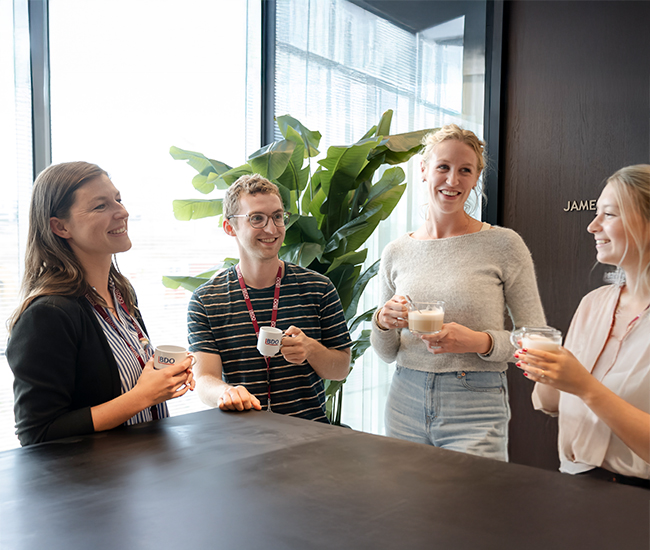
People talking and enjoying a coffee together

The hybrid workplace is still in transition

The debate on hybrid work is far from settled. Large American companies like Amazon, J.P. Morgan and Goldman Sachs have called employees back to the office full-time. In the short term, that may strengthen team culture, but it often leads to resistance and departures. In a tight labour market, flexibility remains a significant competitive advantage. 

The physical workspace is changing too. The open offices of the early 2000s were meant to foster collaboration but often had the opposite effect. Younger generations are particularly sensitive to noise and overstimulation. The workplace of the future is more likely to resemble a well-designed lounge than an endless row of desks, with a focus on acoustics, clean air and spaces that support both concentrated work and hybrid collaboration. 

Mental wellbeing is a strategic issue now

There is a dimension to this conversation that goes beyond structures and policies. Global wellbeing scores have dropped back to lockdown-era levels. Generation Z in particular is looking for more openness around mental wellbeing and psychological safety, but nearly half say they do not know how to communicate their feelings to older generations. 

Technology can help bridge that gap, but it is not a substitute for genuine attention. Companies that build a culture of respect, closeness and humanity create environments where people stay and flourish. This connects to a broader truth about what happens when organisations invest in the human side of work alongside the digital - a theme our report explores in depth. 

What you will find inside the report

The evolving organisational structures section of our Trend Report goes much further than the trends above. It explores how small, agile teams of five to ten people are achieving outsized impact through technology - including the two-pizza rule and the rise of vibe coding, a new approach that allowed one company to build an app in two weeks and generate millions within days.  

It covers what lean and agile working requires as a foundation (hint: it starts with simplification, not tools) and includes concrete dos and don'ts for business leaders navigating this transition, alongside insights from BDO's own leadership on reducing organisational complexity. 

This article is part of our Trend Report: The business world in 2030, a collaboration between BDO Belgium and trendwatcher Tom Palmaerts.